Best Time to See the Blue Grotto Glow: Light, Tides and Crowds
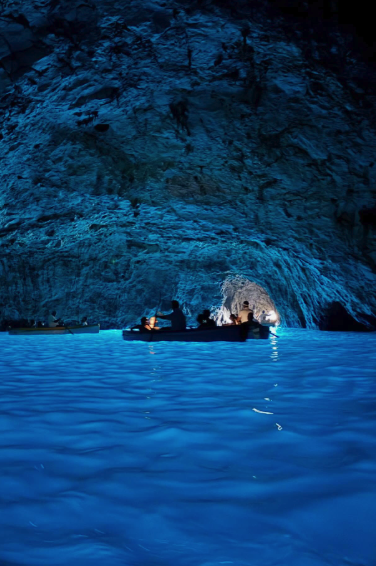
The Blue Grotto is not equally blue at every hour of every day. The colour depends on the sun, the entry depends on the sea, and the crowds depend on the calendar. Time your visit around all three and you dramatically improve your odds of a good one.
The short answer
Late morning to early afternoon, when the sun is high enough to drive light through the submerged opening. May, June and September give the best combination of calm sea and strong light; winter is largely closed. The colour is strongest on a bright day with a flat sea, and the cave shuts with little notice when the swell picks up — so book early in your stay, not late.
People often ask which month is best to see the Blue Grotto, but the more useful question is which combination of hour, tide and season stacks the deck in your favour. The cave's famous glow, its openness and its queues are three separate variables, and the ideal visit lines all of them up. Here is how each one works and how to plan around it. If you already know your dates and just want to book, you can browse Blue Grotto Capri Tours and tickets, but a few minutes of timing knowledge goes a long way.
When the cave is at its best
| Window | Light | Sea and crowds |
|---|---|---|
| Early morning | Sun still low; the blue is weaker | Calmest sea, shortest queue |
| Late morning to early afternoon | Strongest — the sun drives light through the opening | Busiest, and the longest wait offshore |
| Late afternoon | Fading fast | Quieter, but closures are more likely as wind builds |
| May, June, September | High sun, long days | The best odds of a calm sea and an open cave |
| Winter | Low sun | Largely closed; do not plan a trip around it |
The light: why midday wins
The blue comes from sunlight entering the cave through a large opening beneath the surface. The water filters out the red end of the spectrum and passes the blue, so the brightest, most saturated colour appears when the most light is streaming through that underwater window. That happens when the sun is high and strong: roughly late morning to early afternoon on a clear day. Early morning and late afternoon light is weaker and lower, and the colour is correspondingly muted. An overcast sky dims the effect further, so a bright, sunny forecast matters as much as the clock.
The cave is about sixty metres long and twenty-five wide, but its entrance is only around a metre high above the water. That tiny mouth is exactly why the light has to arrive from below, and why the sea state can shut the whole thing down in minutes.
The sea: the make-or-break variable
No amount of good timing helps if the rowboats cannot run. Because the entrance sits so low, calm water is essential; in rough seas, high winds or high tide the mouth is impassable and the grotto closes. This is the factor most visitors underestimate. Before you commit to a specific day, check a marine or wind forecast for Capri's north-west coast, and be wary of any northerly wind, which pushes swell straight into the cave. Flat, settled conditions are what you want, and they are more common in the calmer months than in stormy shoulders of the season.
Build flexibility into your island time. If you have two possible days on or near Capri rather than one, you can pick the calmer, sunnier of the two and hold the other in reserve. Pinning the visit to a single fixed afternoon is the most common way people miss it.
The crowds: months and hours
July and August bring the strongest sun but also the longest queues, with waits on the water that can reach up to two hours at peak times. May, June and September are the sweet spot for many visitors: the seas are often calm, the light is strong, and the crowds are thinner. Within any day, arriving early shortens the boat queue considerably, though the very earliest light is weaker for colour. The practical compromise is a late-morning arrival on a calm, sunny day in shoulder season, which balances good colour against a manageable wait.
Reading a forecast like a local
Two things decide your day: the sky and the sea. For the sky, you want sun rather than cloud, and you want it overhead when you arrive. For the sea, you want low wind and gentle swell, especially from the north, west and east, the directions the cave faces. Reliable wind-forecast sites give a clear picture a day or two out. If the forecast looks marginal, plan the grotto for the calmer window and keep a coastal cruise or an inland Capri plan as your fallback.
Season by season
In spring, from April into June, the light strengthens and the seas are often settling, making it a fine and less crowded time to try. High summer offers the most reliable sun but the heaviest crowds and heat; go early and expect to queue. Early autumn, especially September, is a favourite: warm, frequently calm, and quieter than the peak. Late autumn and winter are the least reliable, with shorter hours and frequent closures, and the cave is always shut on 25 December and 1 January. If your trip falls in the off-season, treat any calm, bright day as your chance and take it.
Day of the week matters less than weather, but it is not nothing. Weekends and Italian public holidays can add day-trippers from the mainland to the queue, so a midweek visit in shoulder season is often the quietest combination of all. Cruise-ship days can also swell numbers on the water, though these are harder to predict in advance. If your schedule allows a choice, a calm, sunny weekday in May, June or September is about as good as the odds get, pairing strong light and settled seas with the thinnest crowds you are likely to find at a sight this famous.
A sample plan for a calm day
Here is how a well-timed visit might unfold. The evening before, check both the sky and the marine forecast for Capri's north coast, looking for sun and low wind. If both look good, plan to reach the cave in the late morning rather than at opening, so the sun is high enough to light the water strongly, but early enough that the queue has not built to its afternoon peak. Carry euros in cash for the entrance and a tip, wear a hat and sunscreen for the open boat, and take a seasickness remedy beforehand if you are prone to it.
On arrival at the cave, you transfer into a small rowboat and wait your turn in the line of boats at the mouth. When the swell allows, the boatman guides you through the low entrance and you lie back to clear it. Inside, the boats drift for a few minutes in the blue light before returning, and the skipper often sings, the acoustics being part of the experience. Then you are back out into the daylight, and the rest of your cruise or your day on the island continues.
The single biggest variable in that plan is the sea, which is why the forecast check the night before matters so much. If the wind is up or the swell is running from the north, treat the grotto as a maybe rather than a fixture, and hold a coastal cruise or an inland Capri plan in reserve. The visitors who come away happiest are the ones who treated a calm, bright morning as a gift to be seized rather than a certainty to be scheduled. For more of these practical details, see the visitor guide and compare the Blue Grotto Capri Tours.
The short version
To see the Blue Grotto at its best, aim for a sunny day with calm seas, arrive in the late morning when the sun is high, and lean toward the shoulder-season months if you can choose. Watch the wind forecast, keep a backup plan, and go early if you visit in peak summer. Do that, and the cave rewards you with the colour it is famous for. When you are ready, compare the Blue Grotto Capri Tours and tickets, or read more timing notes in the FAQs and the visitor guide.
Before you go
- Plan the practical side: visitor information.
- Work out how to reach Capri: getting there.
- Read what the cave has been: the history of the Blue Grotto.
- Check the common questions: FAQs.
Tours that fit this trip
Chosen to match what this guide covers, not for what sells.
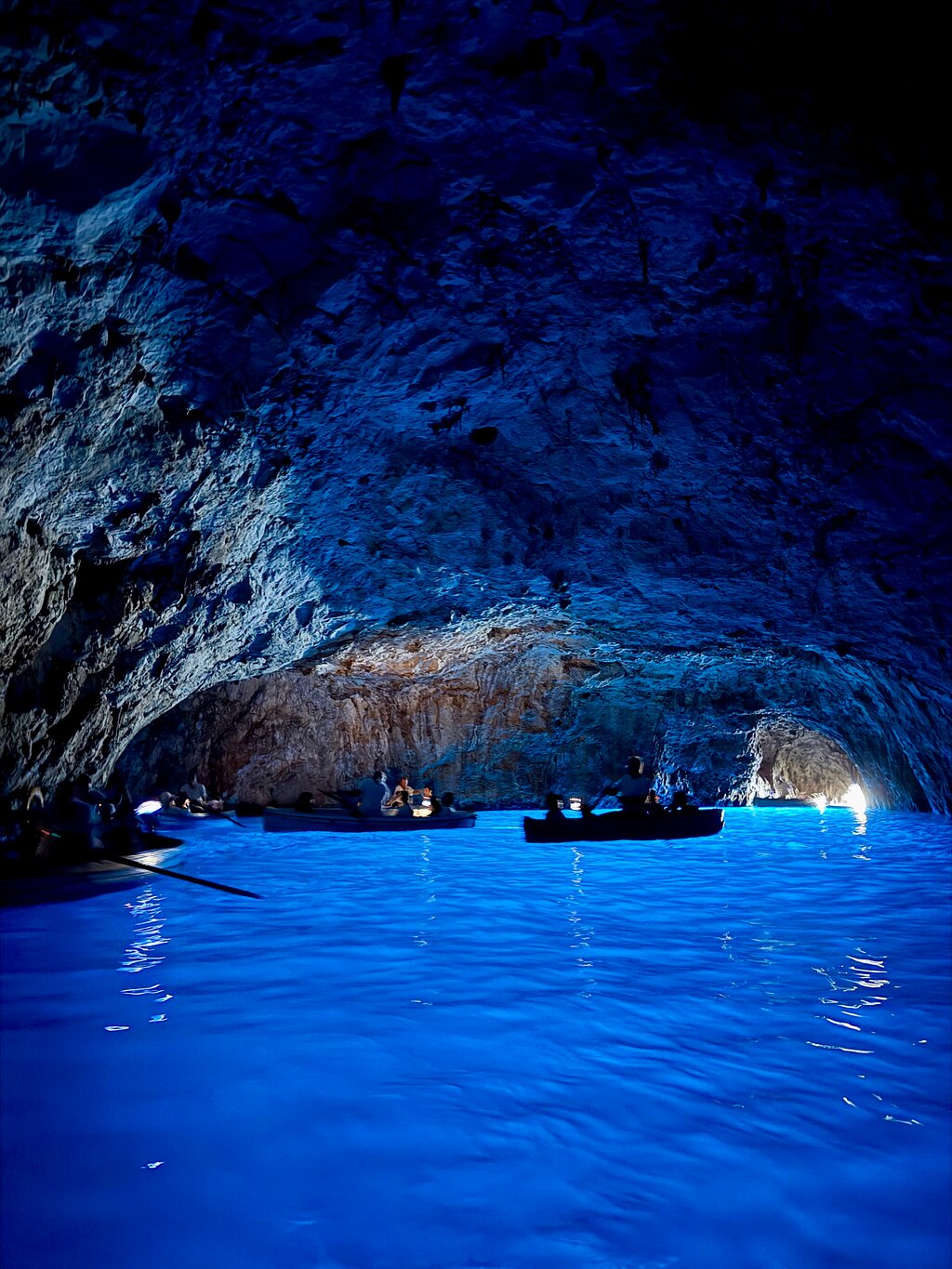
Capri & Blue Grotto Semi Private Boat Day Trip from Sorrento
A semi-private day with room to reach the cave early, which is when the light and the sea both cooperate.
From $210 per person
Check Availability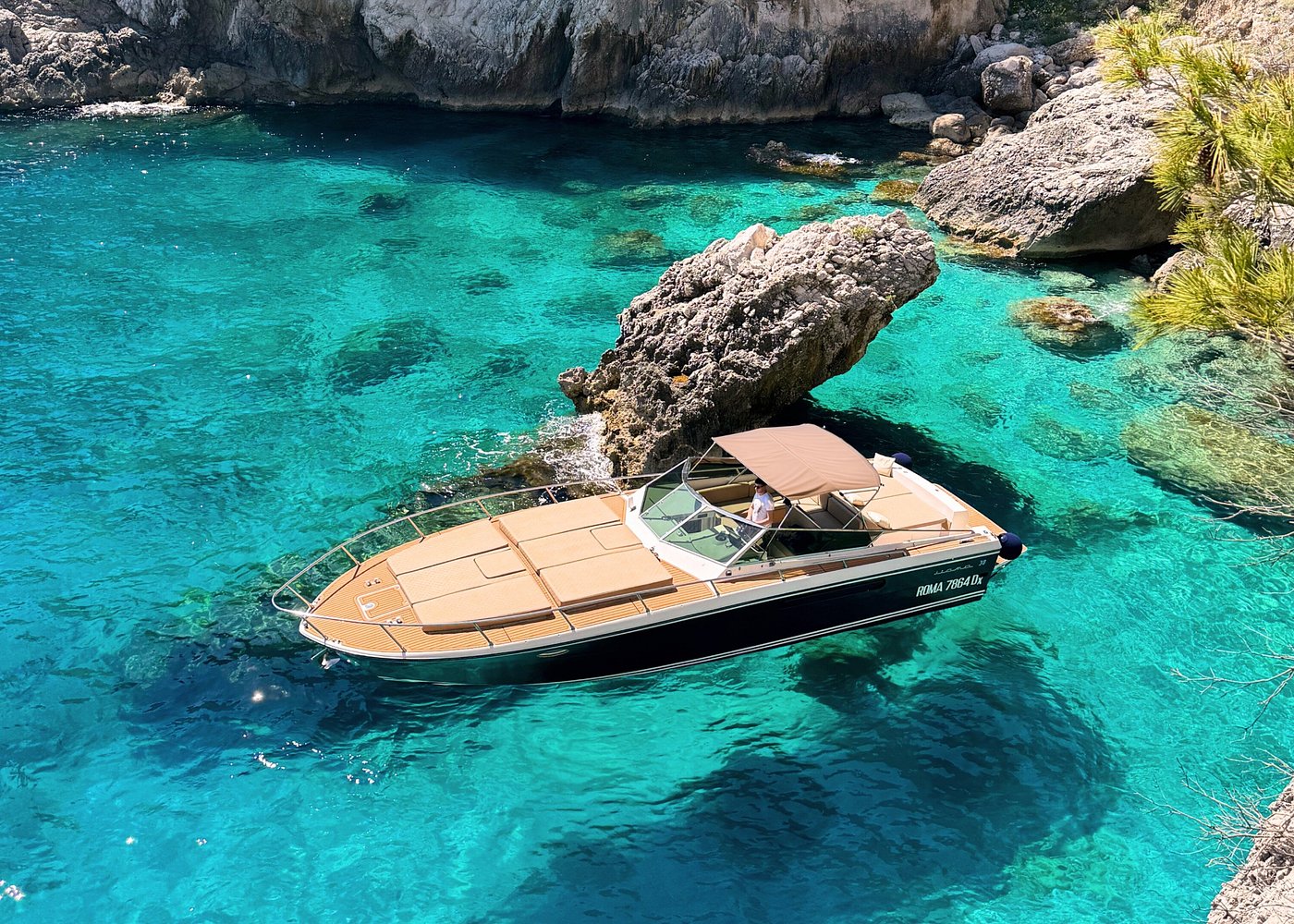
Private Boat Tour of Capri
A private boat with a two-to-seven hour window — the only format that can wait for the light.
From $399 per person
Check Availability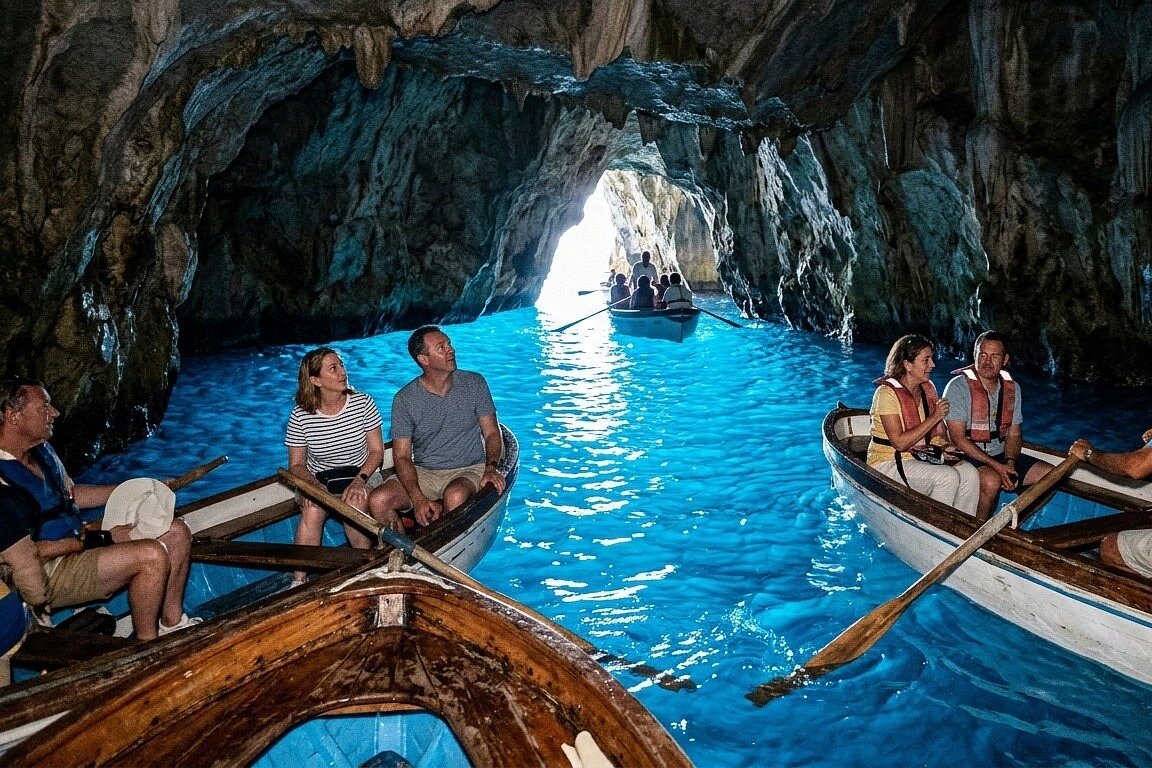
Ultimate Capri & Blue Grotto Day Tour from Naples or Sorrento
The nine-hour Naples day, long enough to be at the cave in the middle of the day when the sun is highest.
From $164 per person
Check Availability