Tips for Visiting the Blue Grotto (What No One Tells You)
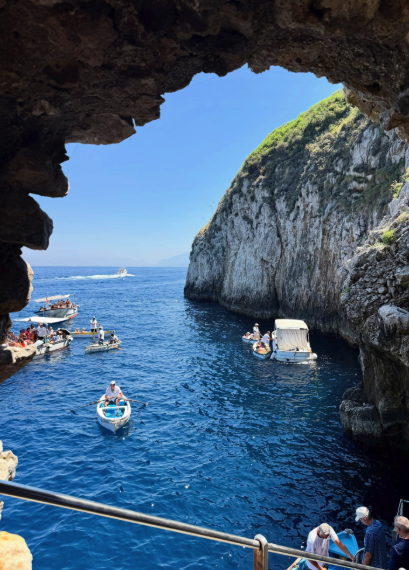
Most guides tell you the Blue Grotto is beautiful. Fewer tell you it is short, weather-dependent, cash-only and sometimes a long wait. Going in with realistic expectations is the difference between a magical stop and a disappointing one. Here are the practical tips that actually matter on the day.
The short answer
Go early in your stay, not on your last day — the cave closes on rough sea with no notice, and a spare day is the only real insurance. Budget the €18–19 entry separately from your tour price, bring cash, and expect about five minutes inside. You lie flat to pass the entrance, so leave loose hats and bags secured, and know that the rowers are paid to be tipped.
The Blue Grotto rewards preparation more than almost any other sight on Capri, because so much about it is out of your control: the sea, the queue, the brief time inside. What you can control is how ready you are for those realities. These are the tips travellers most often wish they had known, drawn from how the visit actually works. When you are ready to choose a trip, you can compare Blue Grotto Capri Tours and tickets.
What to budget, bring and expect
| Item | Detail |
|---|---|
| Grotto entry | Around €18–19 per person, paid separately from any tour |
| Payment | Cash is the safe assumption at the rowboats |
| Time inside | About five minutes |
| Opening | Roughly 9:00 to 17:00, weather permitting |
| Closures | High wind, swell or high tide; decided on the day, with little notice |
| Getting in | You lie flat in a small rowboat to clear a metre-high entrance |
| Tipping | The rowers expect one; carry small notes |
Manage your expectations about time inside
The rowboat stays inside the cave for only about five minutes. That is by design, because a queue of other boats is waiting behind you. Much of your Blue Grotto experience is the journey to the cave and the wait at the entrance, not the time in the blue itself. Knowing this in advance changes how you feel about it: five minutes of that light can be plenty if you are not expecting an hour, and it is disappointing only if you arrive imagining a leisurely visit.
Bring the entry fee and a tip in cash, in euros. Card payment is not reliable at the floating ticket office by the cave, and the boatman who rows you in and often sings inside customarily expects a small tip.
Go early, and watch the sea
In peak summer the boat queue to enter can run up to two hours. Arriving early shortens that wait significantly. Just as important, check the sea forecast before you go: because the entrance is barely a metre high, rough water or high winds close the cave, sometimes at short notice. A calm, bright morning is the ideal window, giving you both a shorter queue and stronger blue light.
Prepare for the rowboat transfer
Entry is by a small rowboat holding about four people, and you lie back along the bottom to clear the low mouth. The transfer from your boat into the rowboat is a bit of a scramble and the boat moves, so secure your phone and camera, ideally with a strap. If you are prone to seasickness, take a remedy before you sail, since the open transfer and the swell at the entrance can be uncomfortable.
Swimming inside the Blue Grotto is not permitted during opening hours, while the rowboats are running. The cave is a working queue of boats, not a swimming spot, during the day.
Know what is included, and what is not
On many tours the grotto entrance is an optional add-on paid separately on the day, not part of the headline price. Read your tour listing carefully for whether the entrance is included, and budget the extra roughly 18 to 19 euros if it is not. Watch too for other on-the-day costs some trips carry, such as docking or assistance fees, so the final total is not a surprise.
Have a plan B
Because the cave can close, decide in advance what you will do if it does. A wider island boat tour is the natural fallback: the coastal cruise past the Faraglioni and other grottoes is a fine day out on its own. Some day trips build in an alternative island tour if the grotto is shut. If seeing the blue is essential to you, keep more than one possible day free rather than betting everything on one afternoon.
Small comforts make a difference
The open boat means sun and breeze, so bring a hat, sunscreen and a light layer. A dry bag or a secure pocket keeps valuables safe during the transfer. If you are visiting mid-summer, water and a little patience go a long way in the queue. None of this is dramatic, but together these small preparations turn a potentially frustrating stop into a smooth one.
One more practical point: think about how the grotto fits your wider day. If it is a stop on a boat tour, you have little control over timing and simply take your turn, so relax into the cruise and treat the cave as a bonus. If you are visiting independently by land, you can choose your moment, so aim for late morning on a calm day and be ready to walk away and return if the queue or the sea looks bad. Either way, keeping your expectations and your plan flexible is worth more than any single piece of gear, because the one thing you cannot pack for is the weather, which always has the final say on whether the cave opens at all.
A few more things worth knowing
Beyond the essentials, a handful of smaller details catch people out. The first is the shape of the day: the grotto is almost always one stop on a longer trip, so most of your time is spent cruising and waiting rather than inside the cave. If you picture the day that way from the start, the brief visit lands as a highlight rather than a letdown. The second is flexibility of dates. Because the sea has the final say, travellers who keep a spare day near their island time can pick the calm morning and skip the rough one, which is the single most reliable way to actually get inside.
It also pays to think about the crossing itself. The open boats mean sun, spray and breeze, so pack accordingly, and if you are joining from the mainland, remember that the ferry portion adds time and can be crowded in peak season. Motion-sensitive travellers do better on a larger, steadier tour boat than on the smallest craft, and a remedy taken before departure makes a real difference at the choppy cave mouth. None of this is difficult, but a little forethought turns a long day into a comfortable one.
Finally, be realistic about photography. Inside the cave the light is low and the rowboat moves, so expect a few quick, imperfect shots rather than a careful set-up, and keep your phone or camera secured against a drop into the water. The colour is far more impressive in person than on a screen, which is arguably the point: the Blue Grotto is a thing to experience for a few minutes rather than a thing to document. For the full run of practical detail, see the visitor guide and the FAQs, or start with the Blue Grotto tours from Marina Grande.
The bottom line
The Blue Grotto is worth doing, but it rewards realism: it is short, cash-only, weather-dependent and sometimes a wait. Go early on a calm, bright day, carry euros for the entry and tip, secure your belongings for the rowboat, and keep a fallback in your back pocket. Do that and the cave delivers the moment it is famous for, without the letdown that catches unprepared visitors. For more detail, see the FAQs and the visitor guide, or compare the Blue Grotto Capri Tours and tickets to get started.
Before you go
- Plan the practical side: visitor information.
- Work out how to reach Capri: getting there.
- Read what the cave has been: the history of the Blue Grotto.
- Check the common questions: FAQs.
Tours that fit this trip
Chosen to match what this guide covers, not for what sells.
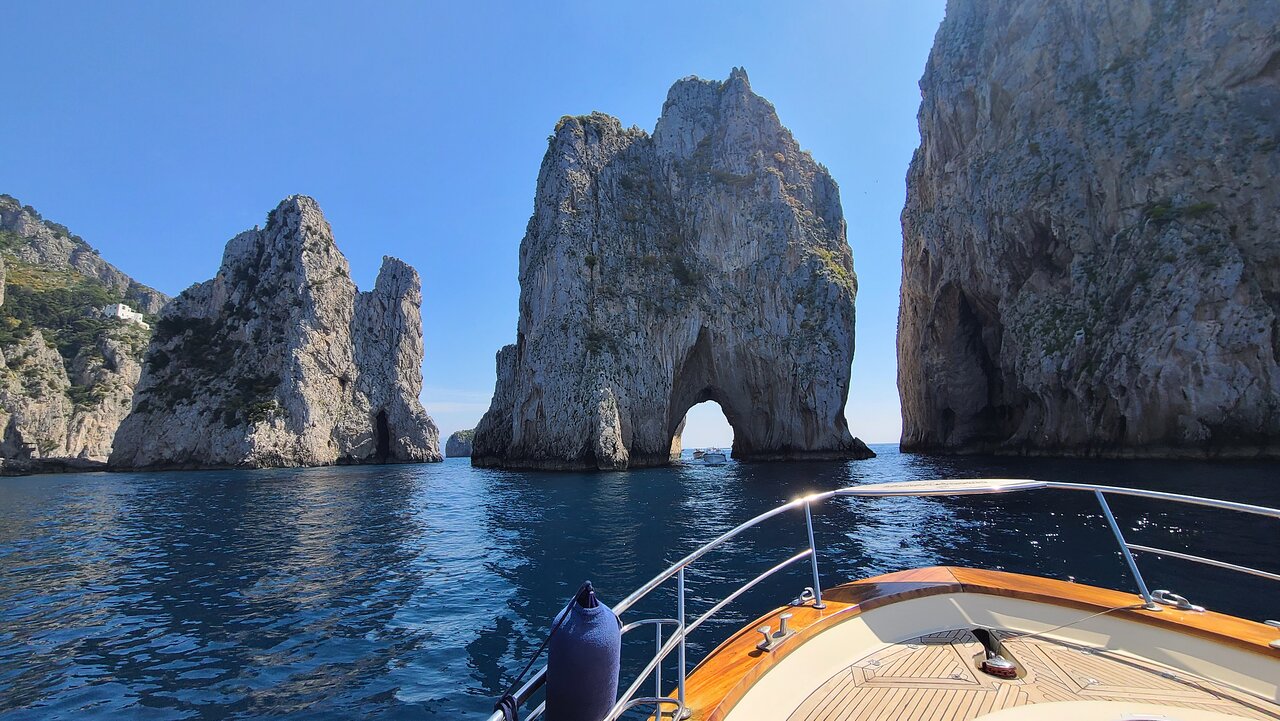
Sorrento or Positano: Capri & Blue Grotto Small-Group Boat Tour
The cheapest way onto the water from Sorrento or Positano, and the same island as everything above it.
From $99 per person
Check Availability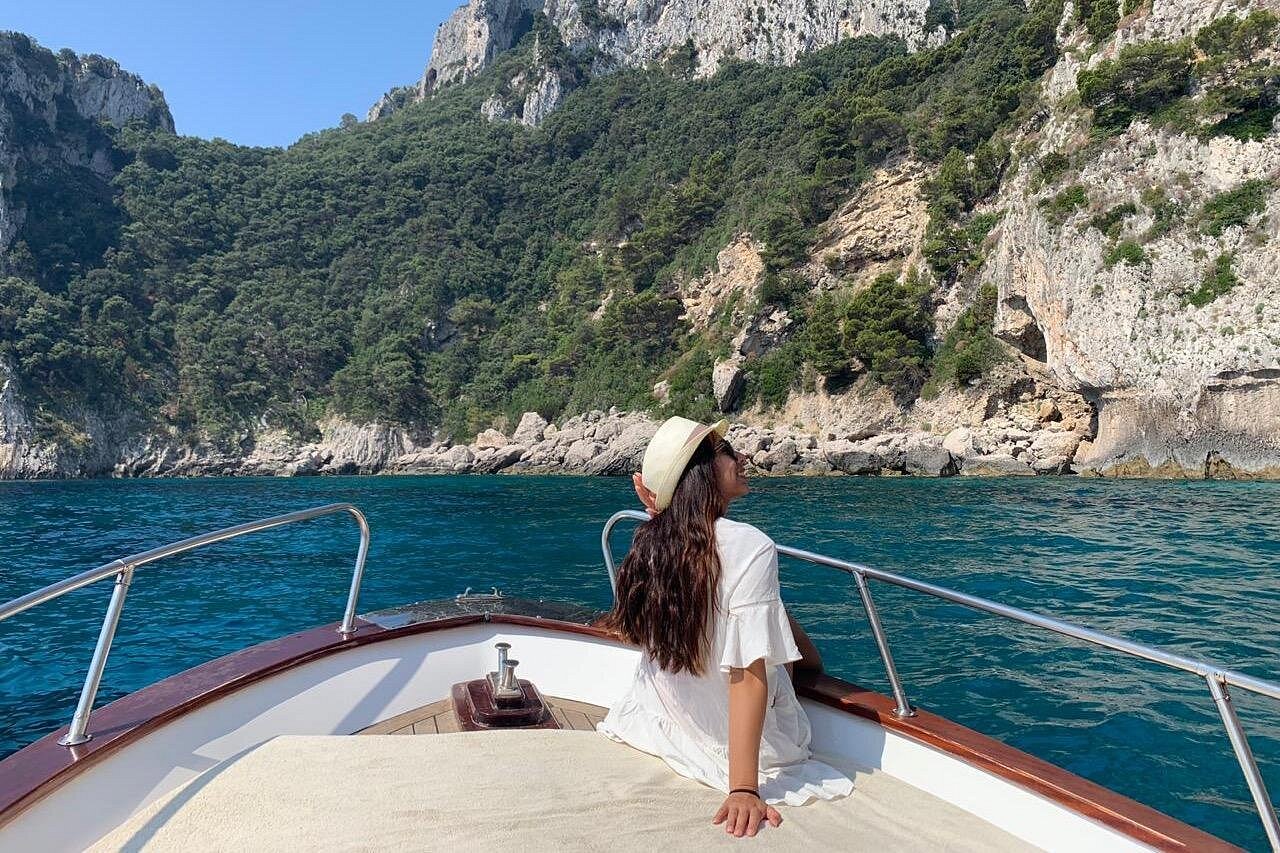
Private Boat Tour of Capri
A private boat, which at four people costs less per head than the cheapest shared day.
From $516 per person
Check Availability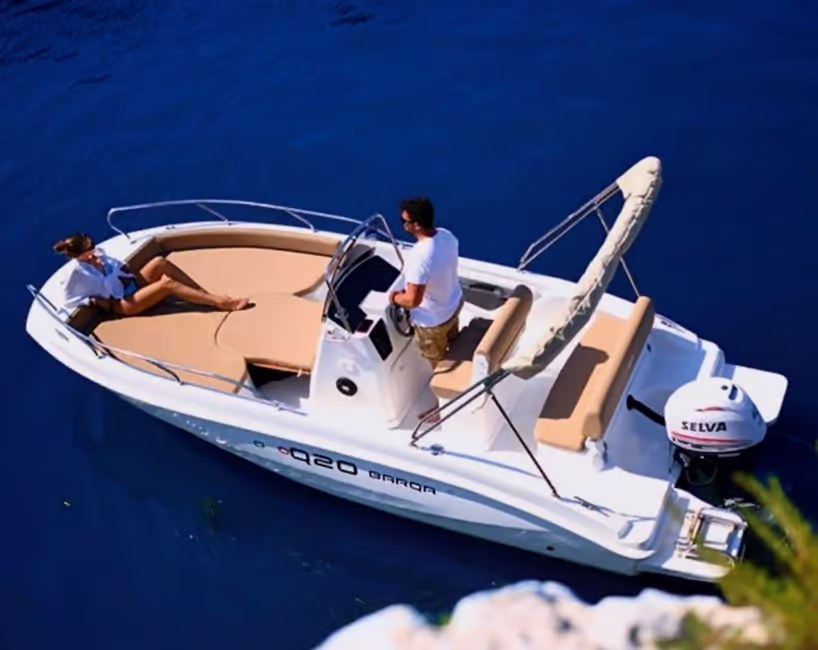
Private boat tour of Capri from Sorrento or Positano or Capri or Naples
A full private day from Sorrento or Positano, for parties who want the timing entirely on their own terms.
From $806 per person
Check Availability